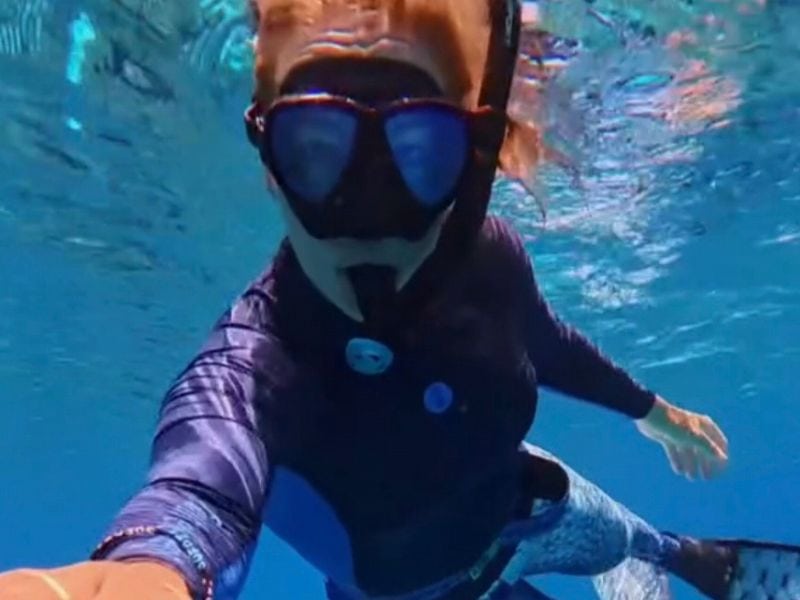
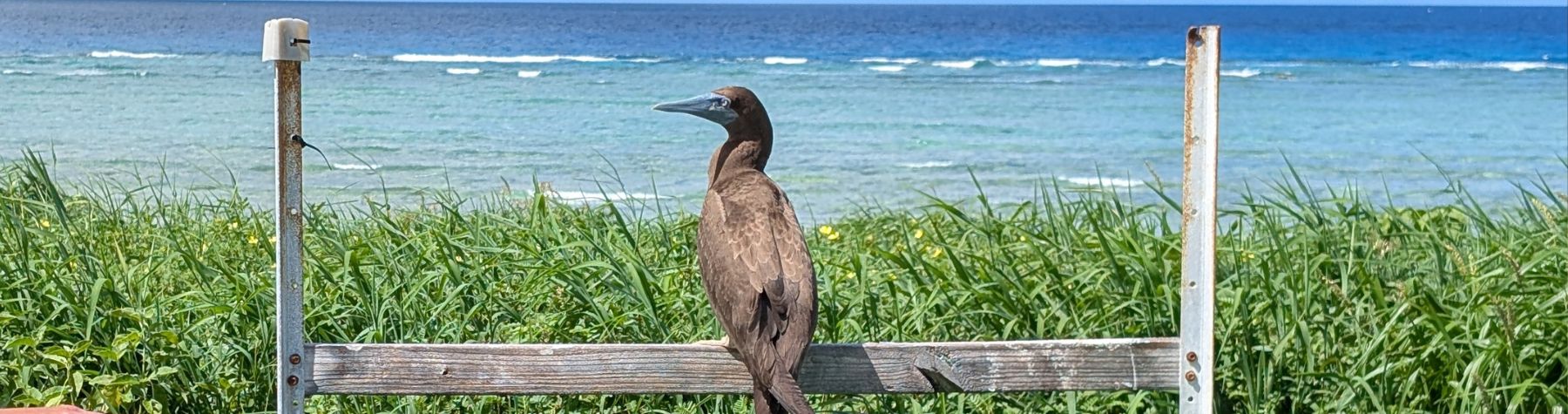
As Council’s Disaster Management Unit keeps an eye on the weather systems bubbling away in the Coral Sea this wet season, it’s easy to forget just how much work goes into gathering the information we rely on. One of the people behind that data is former Cooya Beach local Rochelle Clayton, now a weather observer for the Bureau of Meteorology on remote Willis Island.
Rochelle is one of just four people living and working on the tiny coral cay, 450 kilometres east of Cairns. Her role as a Technical Officer involves releasing the island’s twice‑daily weather balloons — a crucial source of upper‑air data used by forecasters across northern Australia.
“It’s a pretty amazing job,” she told DSC For You & Me.
“We prepare the balloon, check the instruments, release it, and then monitor the data to make sure everything is working the way it should.”
Her path to Willis Island has been anything but ordinary.
Before joining the Bureau, Rochelle worked on tourism boats out of Port Douglas and Cairns, served in the navy and spent a year as a weather observer on sub‑Antarctic Macquarie Island. That experience, she says, helped prepare her for life in another remote environment — albeit one with far more sunshine.
Daily life on Willis Island is a mix of technical work, physical labour and environmental monitoring.
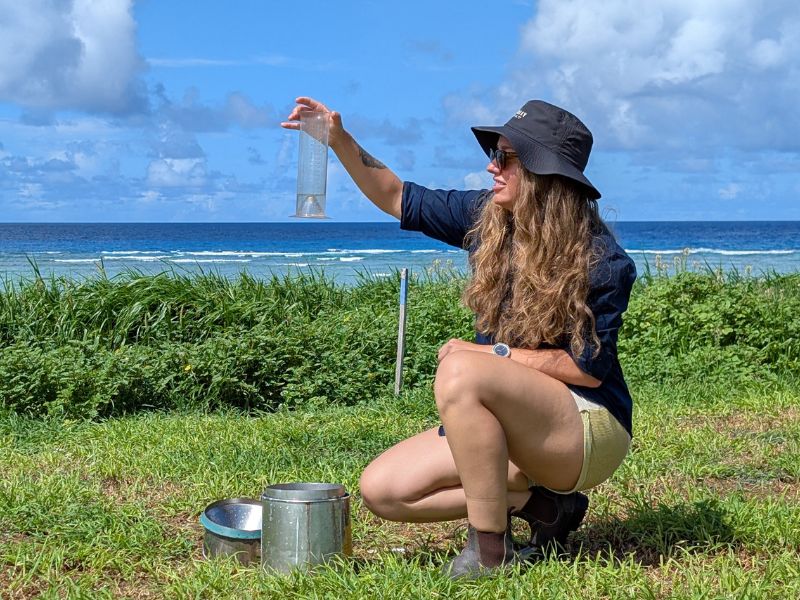
Alongside balloon releases, the team checks rain gauges, maintains equipment, cleans buildings constantly visited by thousands of seabirds, and conducts turtle and marine debris surveys. “We’ve recorded more than 10,000 birds on the island,” Rochelle says.
“There’s always something to clean.”
The isolation doesn’t faze her. With a gym, good internet, a thriving hydroponic garden and a close‑knit team, she says she hasn’t had “a single day of boredom.”
She keeps in touch with family and friends through her Instagram account, Roaming Roshi, where she shares photos of the island’s wildlife and weather.
But it’s during the wet season that her work feels most meaningful. Having lived through cyclones and flooding back home, Rochelle understands the importance of accurate, timely data.
“It feels like we’ve got real purpose here,” she says.
“Everything we collect goes into forecasting models and long‑term trends. It all helps the forecasters — and ultimately helps communities like Douglas prepare.”
When tropical lows develop, the Bureau may request additional balloon launches to capture more frequent data. “Sometimes we’ll do 3am and 3pm releases as well,” she explains.
“It’s all about giving forecasters the best information possible.”
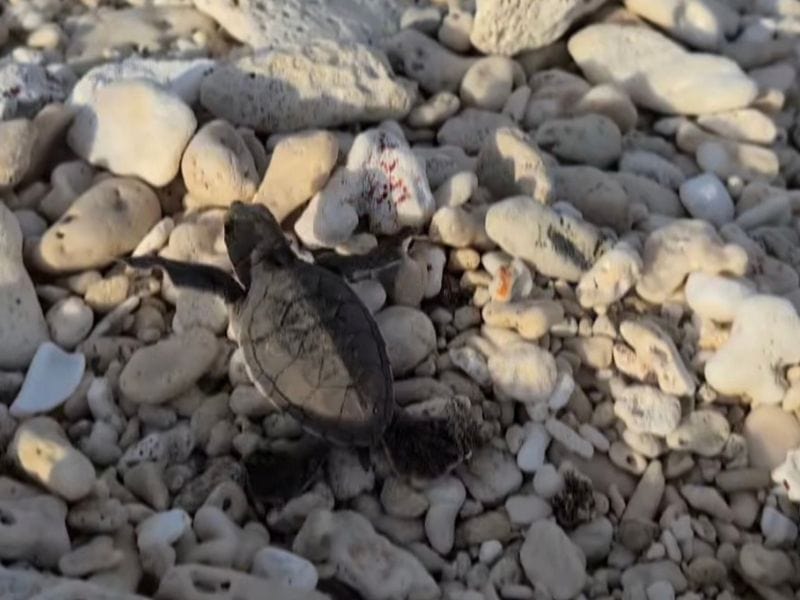
Despite the responsibility, Rochelle says the experience is “unreal” — from watching turtle hatchlings to snorkelling on calm days. And while the island’s buildings are engineered to withstand severe cyclones, she’s grateful for the constant communication with the mainland.
“You never feel out of the loop,” she says.
For Rochelle, contributing to the safety of communities she once called home is deeply rewarding.
“Knowing the data we collect helps people back in Port Douglas and Mossman — that’s what makes it all worthwhile.”