
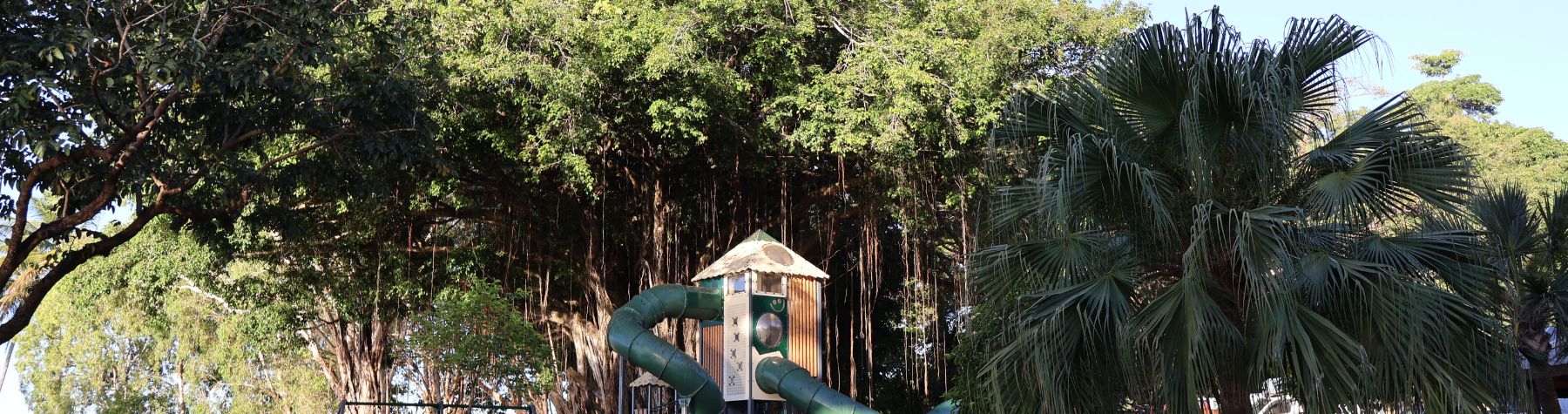
A beloved but decaying fig tree at one of Port Douglas’ most popular parks will be removed for safety reasons following assessments from independent arborists.
The mature fig tree, located beside the playground at Rex Smeal Park, has been closely monitored for several months following ongoing efforts to improve its health. However, recent expert assessments have determined the tree cannot be saved and must be removed to protect public safety.
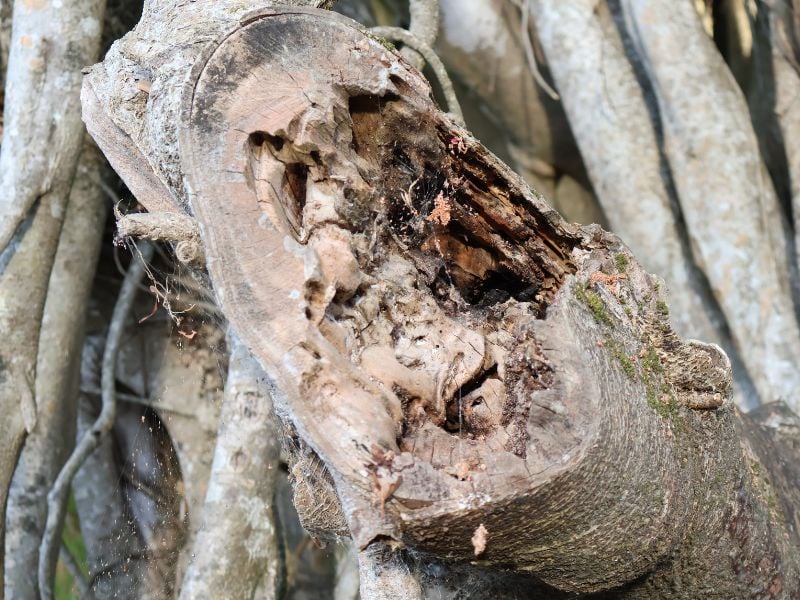
Fungal decay is the likely cause of major cracks and weakened branches within the tree.
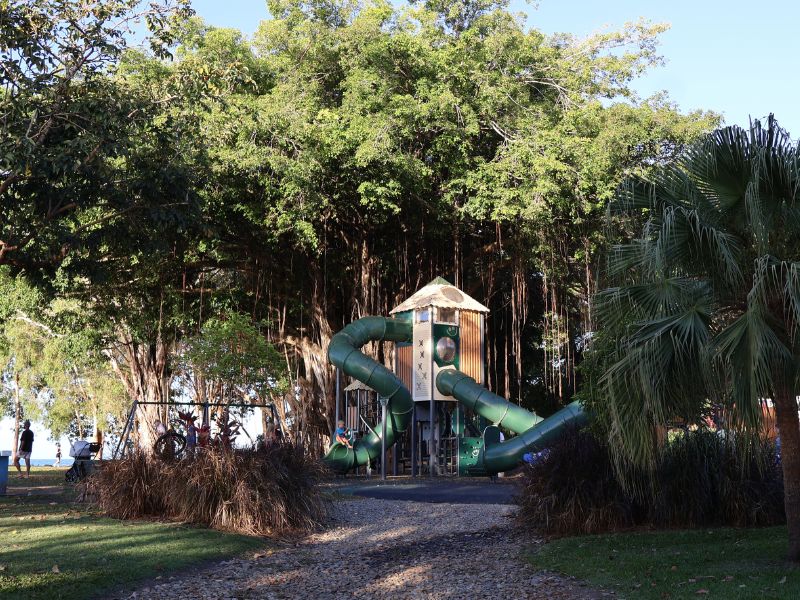
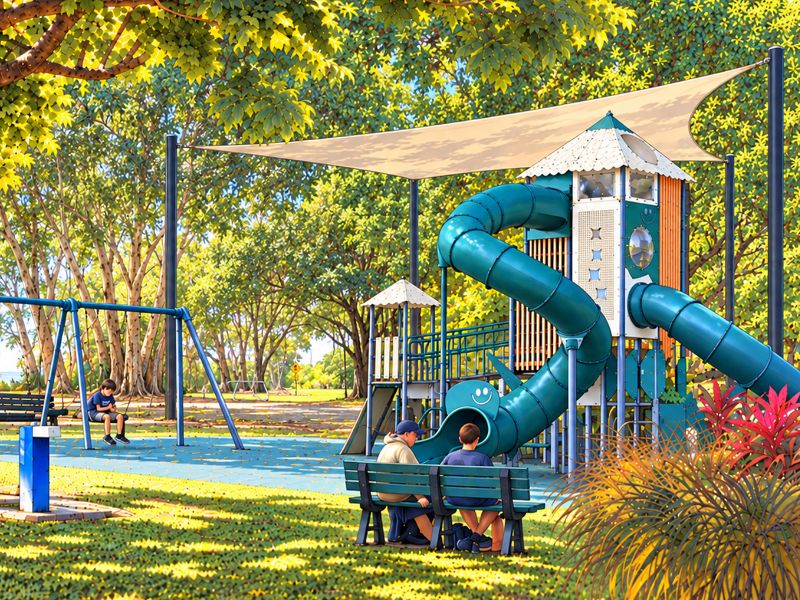
Council is already planning to replace the fig tree and install shade sails over the playground to maintain shade for park users.
Douglas Shire Mayor Lisa Scomazzon said the decision had not been made lightly.
“The fig trees are an iconic part of Rex Smeal Park and have provided shade and memories for generations of local families and visitors,” Mayor Scomazzon said.
“It is sad to lose such a beautiful tree, and I know many people in our community will share that disappointment, but the safety of residents and visitors must always come first.
“The playground is used every day by children and families, and we have a responsibility to ensure this much-loved space remains safe for everyone.”
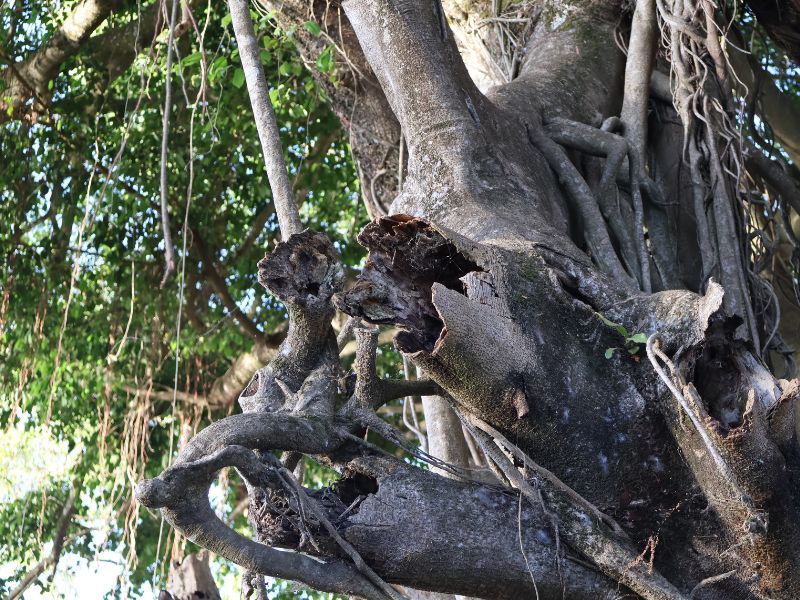
As a precautionary measure, Council removed several branches from the tree in mid-2025 after signs of decline were first identified.
The tree has continued to be monitored since then, with independent arborists providing ongoing assessments. A recent inspection, undertaken following the Macrossan Street fig tree failure, confirmed the tree’s condition had deteriorated further and that removal is now the safest option.
Council plans to remove the tree next week and will provide further details on replacement planting in the coming weeks. A Senior Ecologist will be on site before removal.
FAQs
What’s wrong with the tree?
The tree has developed significant structural defects, including cracking and deterioration within major supporting sections of the canopy.
These defects have been monitored and managed over time, but recent inspections have found that the tree’s structural condition has deteriorated further.
Why can’t it be saved?
Council has previously managed the tree through pruning, deadwood removal, monitoring and further independent assessments.
Recent inspections have identified structural concerns that mean continued long-term retention beside a high-use playground is no longer considered appropriate.
Did Council consider alternatives?
Yes. Council has been closely managing the tree since structural defects were identified in 2025, risk reduction work including pruning, monitoring and external inspections aimed at retaining the tree.
Based on the latest assessments, removal is now considered the most appropriate option. The alternative would require substantial canopy reduction and isolation of parts of the playground and park beneath the tree.
Why was it pruned previously?
Previous pruning was carried out to reduce loading on parts of the canopy, remove deadwood and manage identified structural defects. At that time, continued retention with ongoing management and monitoring remained an option.
Is the tree dangerous?
Recent inspections have identified significant structural defects that increase the potential for branch or structural failure.
Because the tree is located beside a frequently used playground, Council has decided that removal is the most appropriate long-term risk-management response, rather than substantial ongoing canopy reduction and isolation of the area beneath the tree.
Is it safe to continue using the playground and park?
Council is continuing to monitor the area while removal arrangements are being finalised.
The tree has been subject to ongoing inspections and risk-management measures, and any areas considered unsuitable for public access will be restricted as required.
Why now?
The tree has been under close monitoring since structural defects were identified in 2025.
Recent inspections have identified further deterioration and structural concerns, prompting Council to reassess whether the tree can continue to be retained at an acceptable level of risk.
Will replacement planting occur?
Council is investigating replacement planting and additional shade measures to maintain the character, shade and amenity of Rex Smeal Park.
Further details will be provided once these arrangements are confirmed.
How long will it take for replacement trees to provide shade?
Council is investigating the use of advanced replacement trees to help restore shade and the character of the site as quickly as possible.
Additional shade measures are also being considered to provide more immediate shade for playground users while replacement trees establish.
Timeline (2023–2026)
2023–2024
New Playground & Early Assessments
Construction of the new playground occurred adjacent to a mature Ficus.
An earlier arborist report noted part of the tree’s Structural Root Zone overlapped the playground surface.
July 2024
Proactive Canopy Management
Council completed targeted pruning to manage the canopy over the playground.
2025
April
Formal Tree Health Assessment. Assessment found old pruning wounds and decay pockets. Despite this, the tree was assessed as having reasonable condition and high amenity value, with retention recommended.
May
Independent Advice Supports Retention. Specialists recommended continued retention with continued pruning, substantial canopy reduction over the playground and monitoring for fungal or structural concerns.
Further Canopy Reduction. Additional canopy‑reduction works were organised, including temporary playground closure and safety controls.
2026
April & September— Deadwood and aerial inspections. Further deadwood removal and climbing inspections provided updated views of upper‑crown structural connections.
September — Major Structural Defects confirmed. Extensive decay and cracking in major load‑bearing limbs. Retention was reassessed and deemed no longer viable.
September–October — Fungal sampling & testing. Fungal specimens were collected and analysed by James Cook University.
Two root‑rot species (Pythium/Phytophthora) were detected.
Further DNA sequencing was requested to inform final management decisions.
October — Contractor Assessments & Removal Proposals. Three independent contractors inspected the tree.
All recommended complete removal, with detailed reports citing poor structural condition. By late 2026, specialist assessments, aerial inspections and laboratory findings collectively supported removal as the safest and most appropriate management option for the mature Ficus over the playground.
FAQs
What’s wrong with the tree?
The tree has developed significant structural defects, including cracking and deterioration within major supporting sections of the canopy.
These defects have been monitored and managed over time, but recent inspections have found that the tree’s structural condition has deteriorated further.
Why can’t it be saved?
Council has previously managed the tree through pruning, deadwood removal, monitoring and further independent assessments.
Recent inspections have identified structural concerns that mean continued long-term retention beside a high-use playground is no longer considered appropriate.
Did Council consider alternatives?
Yes. Council has been closely managing the tree since structural defects were identified in 2025, risk reduction work including pruning, monitoring and external inspections aimed at retaining the tree.
Based on the latest assessments, removal is now considered the most appropriate option. The alternative would require substantial canopy reduction and isolation of parts of the playground and park beneath the tree.
Why was it pruned previously?
Previous pruning was carried out to reduce loading on parts of the canopy, remove deadwood and manage identified structural defects. At that time, continued retention with ongoing management and monitoring remained an option.
Is the tree dangerous?
Recent inspections have identified significant structural defects that increase the potential for branch or structural failure.
Because the tree is located beside a frequently used playground, Council has decided that removal is the most appropriate long-term risk-management response, rather than substantial ongoing canopy reduction and isolation of the area beneath the tree.
Is it safe to continue using the playground and park?
Council is continuing to monitor the area while removal arrangements are being finalised.
The tree has been subject to ongoing inspections and risk-management measures, and any areas considered unsuitable for public access will be restricted as required.
Why now?
The tree has been under close monitoring since structural defects were identified in 2025.
Recent inspections have identified further deterioration and structural concerns, prompting Council to reassess whether the tree can continue to be retained at an acceptable level of risk.
Will replacement planting occur?
Council is investigating replacement planting and additional shade measures to maintain the character, shade and amenity of Rex Smeal Park.
Further details will be provided once these arrangements are confirmed.
How long will it take for replacement trees to provide shade?
Council is investigating the use of advanced replacement trees to help restore shade and the character of the site as quickly as possible.
Additional shade measures are also being considered to provide more immediate shade for playground users while replacement trees establish.